


Events
Calendar of Events
|
Monday
|
Tuesday
|
Wednesday
|
Thursday
|
Friday
|
Saturday
|
Sunday
|
|---|---|---|---|---|---|---|
|
0 events,
|
1 event,
-

This seminar empowers nurse educators with evidence-based strategies to elevate nursing student outcomes and foster professional readiness. Participants will explore innovative pedagogical approaches such as competency-based learning, peer mentoring, career guidance integration, and reflective practice. Educators will learn to cultivate resilient, well-prepared nursing graduates equipped to thrive in clinical environments and launch successful careers. Information/Registration |
0 events,
|
0 events,
|
0 events,
|
0 events,
|
0 events,
|
|
0 events,
|
0 events,
|
0 events,
|
0 events,
|
1 event,
-

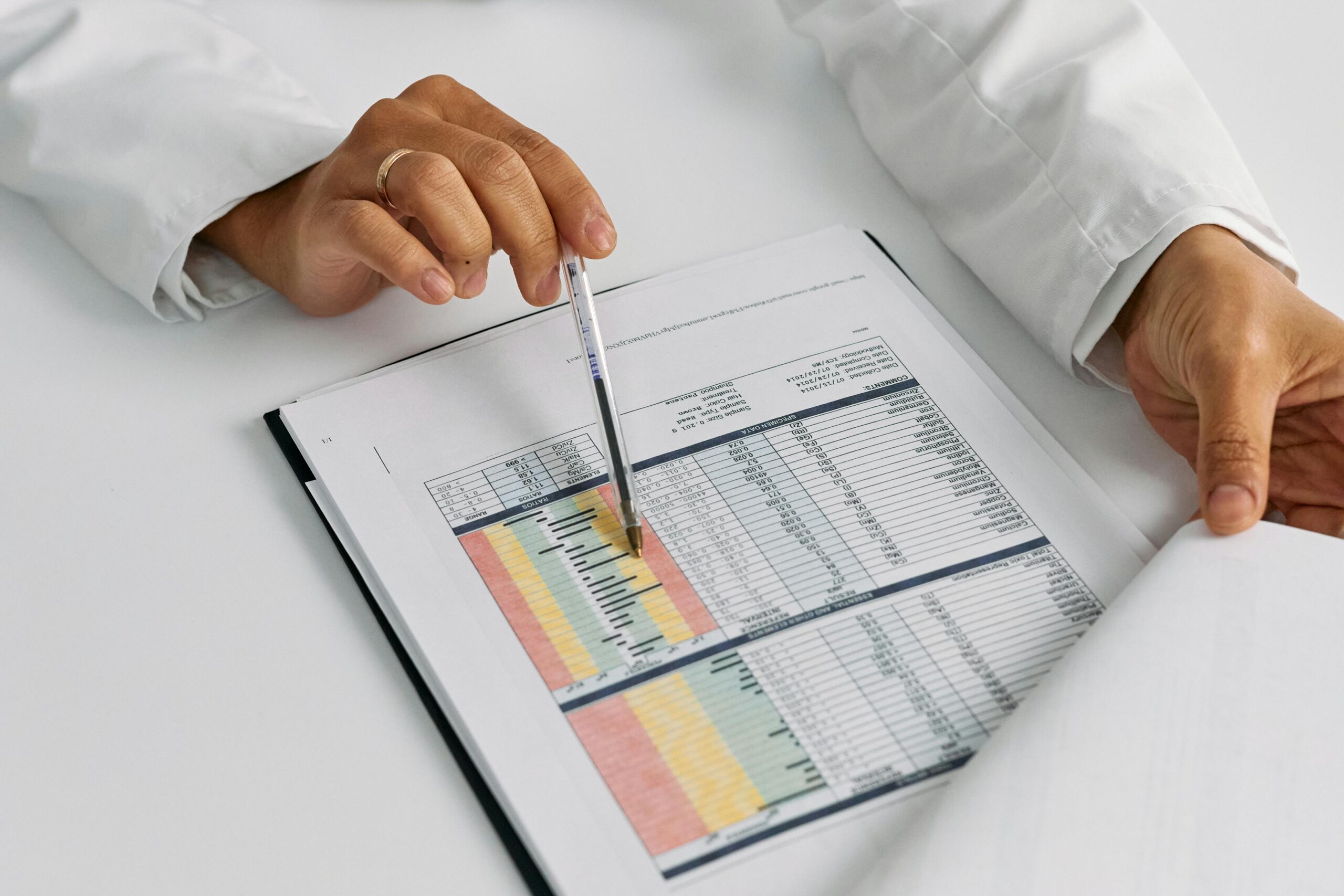
Whaaaat? Join us for a day of education and entertainment. You find out the answers to some fun case studies: A young man urinated on his former girlfriend's pregnancy test and was positive for a pregnancy!! What body part should be examed in that young man? Why? What enzyme found on the "blue dress" worn by Monica Lewinsky implicated Bill Clinton? What husband of Elizabeth Taylor had hemophilia? Yep! Barb will take the mystery out of interpreting the meaning of lab tests in numerous clinical conditions encountered in the primary care setting, the ER, and Med-Surg patient, and the ICU patient. What is the clinical significance of the WBC and differential? Is it a bacterial infection? Viral infection? Parasitic infection? Acute inflammation? Chronic inflammation? What is the clinical significance of “life-threatening” neutropenia? What is the absolute neutrophil count? What is the clinical significance of the serum protein electrophoresis? Why is the ApoB test more important than the other cholesterol tests? Albumin is the major serum protein—what are the causes and consequences of clinical hypoalbuminemia? Why are there so many alphas, betas, and gammas in medicine? What are the alpha globulins, beta globulins, and gamma globulins? How many types of hemoglobin are there and do you need to learn them all? Easy answer? NO. But you will learn about the hemoglobin electrophoresis and common hemoglobinopathies. Why is the hemoglobin A1C important in diabetes and pre-diabetes? What does it take to make happy, healthy RBCs? Genes, Iron, B12, folic acid, healthy kidneys, a functioning thyroid would be a good start! What are the most common anemias and how can we use lab tests to determine the type? Iron deficiency anemia, the anemia of chronic kidney disease, B12 deficiency and megaloblastic anemia, hemolytic anemia, and the list goes on and on. Speaking of chronic kidney disease, what is the eGFR? BUN and serum creatinine? Moving on to understanding serum enzymes for the diagnosis of tissue injury—the AST/ALT ratio for liver disease, ALP (alkaline phosphatase) for bone and biliary disease, creatine kinase (CK) for skeletal muscle damage (rhabdomyolysis), and LDH for any tissue damage and as a prognostic indicator in certain cancers. Information/Registration |
0 events,
|
0 events,
|
|
0 events,
|
0 events,
|
0 events,
|
1 event,
-

An interactive webinar designed to assist nursing faculty to be successful in the classroom and clinical areas when teaching pathophysiology. The webinar will demonstrate how to transform teaching with easy and memorable approaches using the “SAFETY” Model that links pathophysiology to priority concepts and NCLEX® standards. Information/Registration |
0 events,
|
0 events,
|
0 events,
|
|
0 events,
|
1 event,
-
As the complexity of the current healthcare system continues to change, so too must our approach to nursing education. This session explores how performance gaps in nursing students—often masked by success in traditional exams—highlight the need for a shift toward competency-based education (CBE). This session will examine how and emphasize the importance of intentionally aligning classroom instruction and simulation-based learning to create integrated educational experiences for competency-based education. Providing real-world nursing experiences like autonomous decision-making, critical thinking, and clinical judgment by offering repeated, meaningful learning opportunities across multiple times and settings. By breaking down the silos between learning environments, we can foster deeper learning and more accurately assess clinical competency. Educators and clinical leaders will leave with practical strategies for designing experiences that reflect real-life nursing demands and promote readiness for practice from day one. Information/Registration |
0 events,
|
0 events,
|
0 events,
|
0 events,
|
0 events,
|
|
0 events,
|
0 events,
|
0 events,
|
0 events,
|
1 event, |
0 events,
|
0 events,
|
|
0 events,
|
1 event,
-

This session provides a "how–to” approach for developing a concept map as an active teaching/learning tool helping students "put the pieces of the puzzle together.” Development, grading, repetition and barriers will be discussed. Concept Maps will be provided as examples for use for study or examples with teaching. Understanding how concept mapping really works in developing clinical judgment is an eye-opener for many. Information/Registration |
0 events,
|
0 events,
|
0 events,
|
0 events,
|
0 events,
|